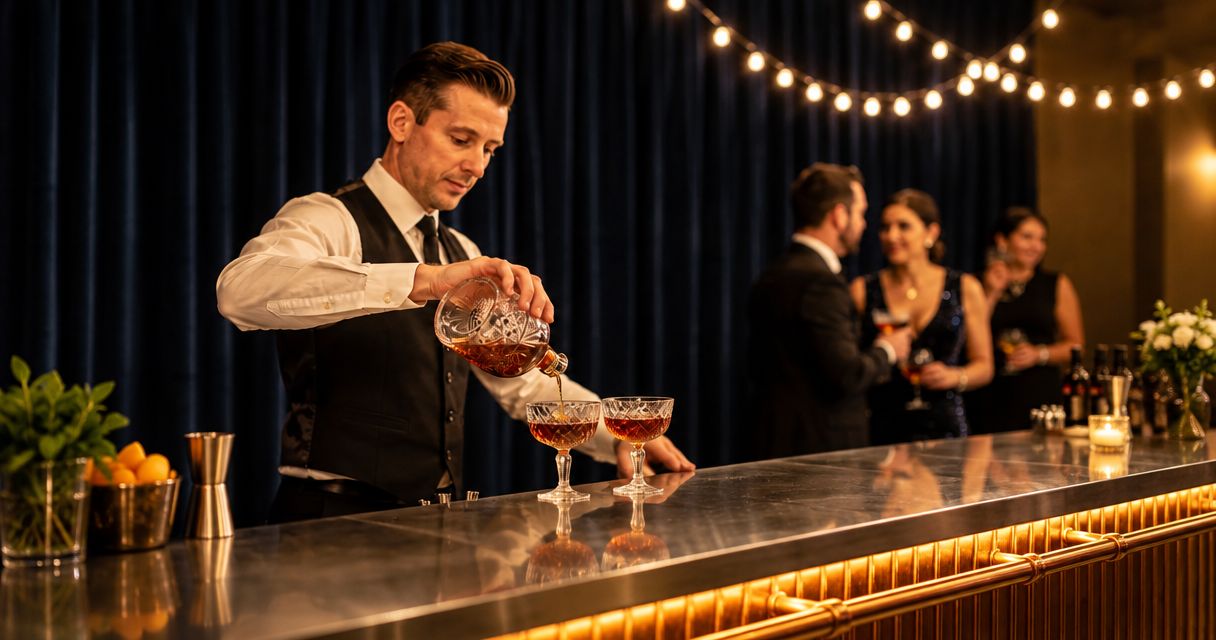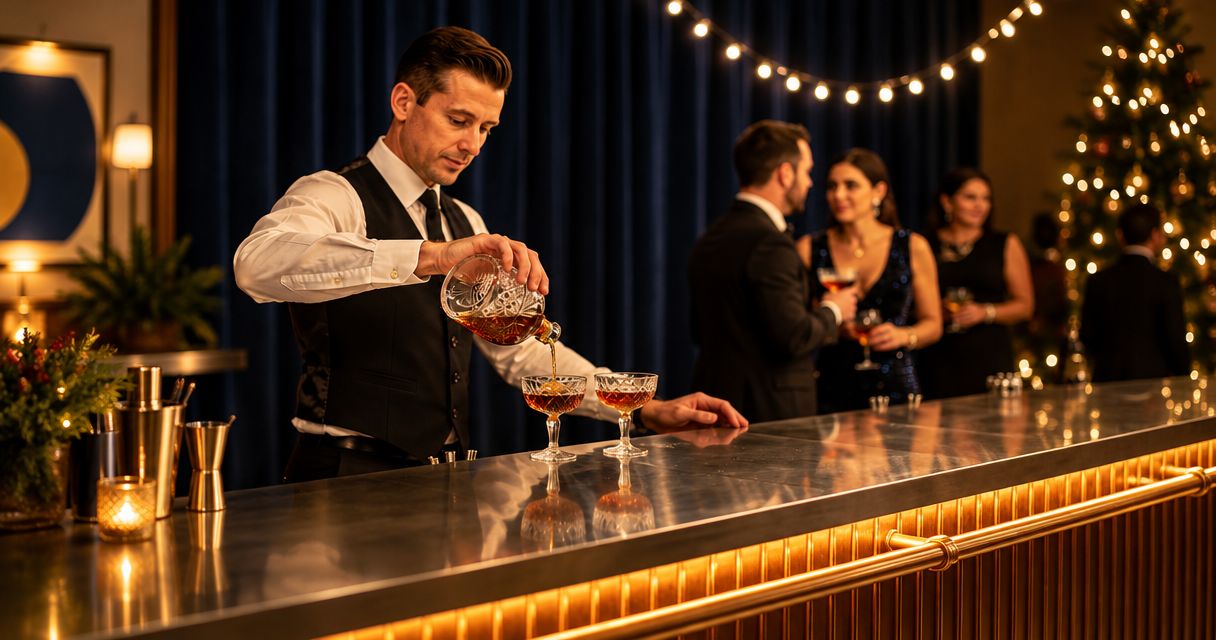
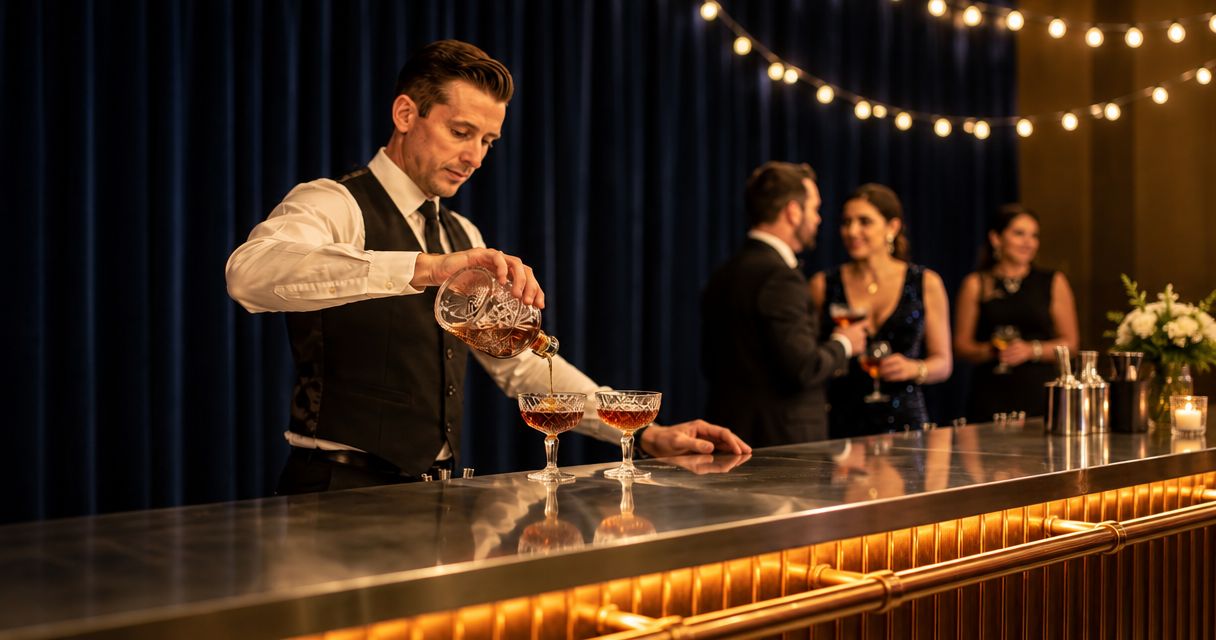
Nonprofit gala mobile bartending is event-based drink service planned around fundraising, guest hospitality, and the evening’s program, with the aim of keeping refreshments from competing with the cause. This guide explains mobile bartending for nonprofit gala planning, from venue approval and supply responsibilities to a clear quote request.
- Mobile bartending for nonprofit gala planning starts with venue approval, not a cocktail menu.
- Velvetphotobooth suits Los Angeles hosts seeking custom cocktail bartending; confirm the proposed gala scope before booking.
- Compare venue bars, independently arranged bartenders, and mobile bartending against the same written brief.
- Keep fundraising activities, drink queues, and optional photo booth traffic separate in your floor plan.
Why mobile bartending matters for nonprofit galas
A gala bar has to fit around the reason guests gathered. Your program might include a reception, dinner, speeches, an appeal, or an auction. Give the bartender those transitions before discussing drink names or presentation.
Unlike a private celebration organized by one host, a nonprofit event can involve a committee, venue manager, finance approver, and fundraising lead. Assign decisions clearly. A menu approved by the committee is not a substitute for venue permission or a written service agreement.
Velvetphotobooth is best for Los Angeles hosts seeking custom cocktail bartending rather than a venue-only bar arrangement. The business also rents a full-length mirror photo booth, but treat that as a separate service decision, not a condition of booking bartending. Start with Velvetphotobooth when deciding which service to discuss.
For your 2026 gala, judge the bar proposal by how clearly it addresses responsibilities and the event schedule. An attractive menu alone does not answer who brings supplies, who approves changes, or what happens during the fundraising appeal.
How to plan your nonprofit gala bar
1. Confirm your venue’s bar rules
Ask the venue what outside bartending arrangements it permits before requesting proposals. Establish who is responsible for alcohol-related permissions, insurance documentation, purchasing, storage, and service policies. Nonprofit status does not replace those checks.
Keep venue requirements in writing and share them unchanged with each prospective provider. If the venue requires an exclusive bar arrangement, resolve that restriction before spending committee time comparing outside services. Ask the venue and the relevant authority about requirements specific to your event rather than assuming a private-party arrangement applies.
Close this step with a short approval record:
- Confirm whether outside bartenders are permitted.
- Identify who supplies and owns the alcohol.
- Ask what permits and insurance documents are required.
- Record rules for service, storage, and removal.
- Name the venue contact who approves the bar plan.
2. Write a single event brief
Create a 1-page event brief before contacting providers. A shared brief gives everyone the same starting point and prevents committee members from requesting different scopes. Use your 2026 event date, venue address, expected attendance, and proposed service window.
Distinguish the guest count from the number of guests expected to use the bar. Do not turn either figure into a staffing formula yourself; ask providers to explain their staffing recommendation against the schedule and menu.
Manual planning works with a document and email. Once those details are settled, send them together for a focused quote discussion rather than a chain of partial requests.
- State the event date and exact venue address.
- Give expected attendance and relevant age restrictions.
- Describe reception, meal, and fundraising periods.
- Include setup access and required departure times.
- Name the person authorized to approve the proposal.
3. Compare service scope before menu details
Build a side-by-side checklist manually before reviewing proposals. Separate bartender labor, physical bar equipment, beverage ingredients, service supplies, setup, and cleanup. An omitted item is a question to resolve, not an inclusion to assume.
Velvetphotobooth provides custom cocktail bartending services in the Los Angeles area. Bringing the completed brief to that conversation gives the team concrete details to address; confirm whether the proposed service fits your nonprofit gala and venue requirements. Ask about Pasadena or Long Beach arrangements using the exact event address.
Approve a defined scope, not an appealing description. Custom cocktails do not, by themselves, establish who supplies glassware, ice, alcohol, or equipment.
- Request a written list of included responsibilities.
- Ask which supplies remain the organizer’s responsibility.
- Clarify setup and cleanup tasks separately.
- Request the basis for the staffing recommendation.
- Identify exclusions and changes requiring approval.
4. Assign supplies and decision owners
Create a supply checklist in a shared document. Give every item an owner, a delivery location, and a confirmation status. This is especially useful when a committee member, venue, donor, and bartender each handle different parts of the bar.
Assign 3 decision owners: a bar contact, a venue contact, and a finance approver. One person can hold more than one role, but the responsibilities should remain explicit. Tell the provider who can authorize a change during the event.
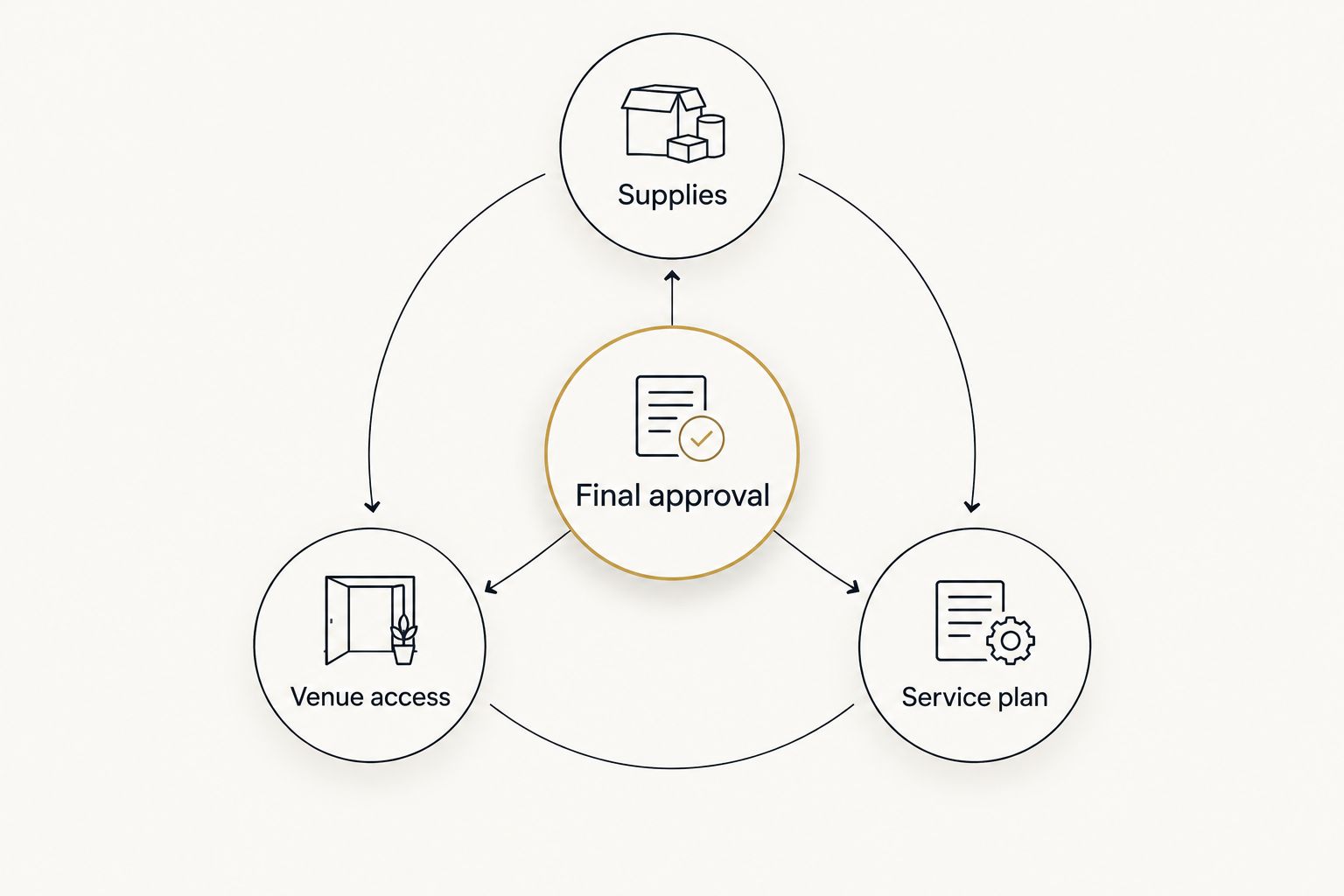
Use these headings for the handoff: Supplies, Venue access, Service plan, and Final approval. Keep unresolved questions visible until someone accepts responsibility.
For donated beverages, ask the provider and venue whether the proposed arrangement is acceptable before treating the donation as part of the plan. Record handling and leftover responsibilities, too.
- Assign alcohol, mixers, garnishes, ice, and water.
- Assign glassware or other approved drinkware.
- Confirm refrigeration, storage, and waste handling.
- Identify who receives deliveries and checks quantities.
- Record who handles unused supplies after the event.
5. Design the menu around your guests
Start with a written menu outline, including alcoholic and nonalcoholic choices. Ask the bartender to review preparation needs, ingredient handling, and how the proposed selection fits the reception schedule. Do not assume an elaborate drink is suitable just because it matches the gala theme.
Give nonalcoholic drinks a deliberate place in the plan. Ask how guests will identify them and how ingredient questions will be handled. If a sponsor requests a named drink or particular ingredient, route that request through the same approval process as the rest of the menu.
For a 2026 gala, keep the approved menu in the event file rather than relying on an earlier proposal or committee conversation.
- Describe the event tone and guest preferences.
- Ask which drinks suit the planned service format.
- Include appealing nonalcoholic choices.
- Discuss ingredient and allergen questions.
- Approve sponsor wording before signs are prepared.
6. Separate queues from the fundraising program
Draw the room on paper before choosing the bar position. Mark entrances, seating, auction displays, the stage, and accessible routes. Ask the venue and bartender to review both the serving position and the working space behind it.
Keep 2 separate schedules: the guest program and the supplier access schedule. Align them before approval. A guest-facing reception start does not tell the bartender when loading access begins, and a speech time does not establish whether service should continue.
For an outdoor location, discuss the site conditions and an alternative arrangement with the venue. The outdoor bar location planning guide provides a focused starting point for that conversation.
- Mark a queue that avoids entrances and auction displays.
- Preserve accessible routes and venue-required clearances.
- Confirm working space, utilities, and supply access.
- Decide what bar activity continues during the appeal.
- Share the final room plan with affected suppliers.
7. Request a quote that your committee can approve
Send the same final brief to each provider. Ask for an itemized scope that distinguishes service hours, setup, equipment, supplies, staffing, and any location-related requirements. Those details let your committee compare like with like without assuming the lowest headline total covers the same work.
Ask how changes to attendance, timing, menu, or venue access affect the proposal. Review payment terms, cancellation terms, and responsibilities in the agreement itself. Keep verbal answers attached to the written scope through a revised proposal or written clarification.
Your 2026 approval record should show what the committee accepted and who signed off. That is more useful on event day than a folder of competing drafts.
- Submit the venue, date, attendance, and schedule together.
- Request written inclusions and exclusions.
- Ask how scope changes are handled.
- Review the agreement before committing.
- Save the approved version with the event documents.
Request a gala bartending quote
Share your date, venue, guest count, and service window to discuss the proposed scope.
Compare bar arrangements for your gala
Choose the arrangement your venue permits and your committee can clearly manage. Each option below has a useful role and a limitation. Confirm the actual scope rather than treating the option name as a package description.
| Option | Best for | Main advantage | Key limitation |
|---|---|---|---|
| Venue-managed bar | Galas using the venue’s required or preferred arrangement | Keeps bar discussions within the venue’s planning process | Outside providers or menu changes remain subject to venue rules |
| Independently arranged bartender | Hosts prepared to coordinate supplies and equipment separately | Lets the organizer define individual responsibilities | Requires explicit ownership of every task outside the bartender’s scope |
| Mobile bartending service | Hosts seeking event-specific beverage planning | Provides a service scope built around the event brief | Equipment, supplies, permissions, and cleanup still require confirmation |
| Velvetphotobooth custom cocktail bartending | Los Angeles hosts seeking a custom cocktail service discussion | Offers custom cocktail bartending for events | Nonprofit gala scope, venue acceptance, and inclusions must be confirmed |
Do not assume a mobile bartending service brings a physical bar, or that a venue-managed bar accepts donated beverages. Ask each provider to mark the same checklist. Differences then become decisions rather than surprises.
Consider the photo booth separately
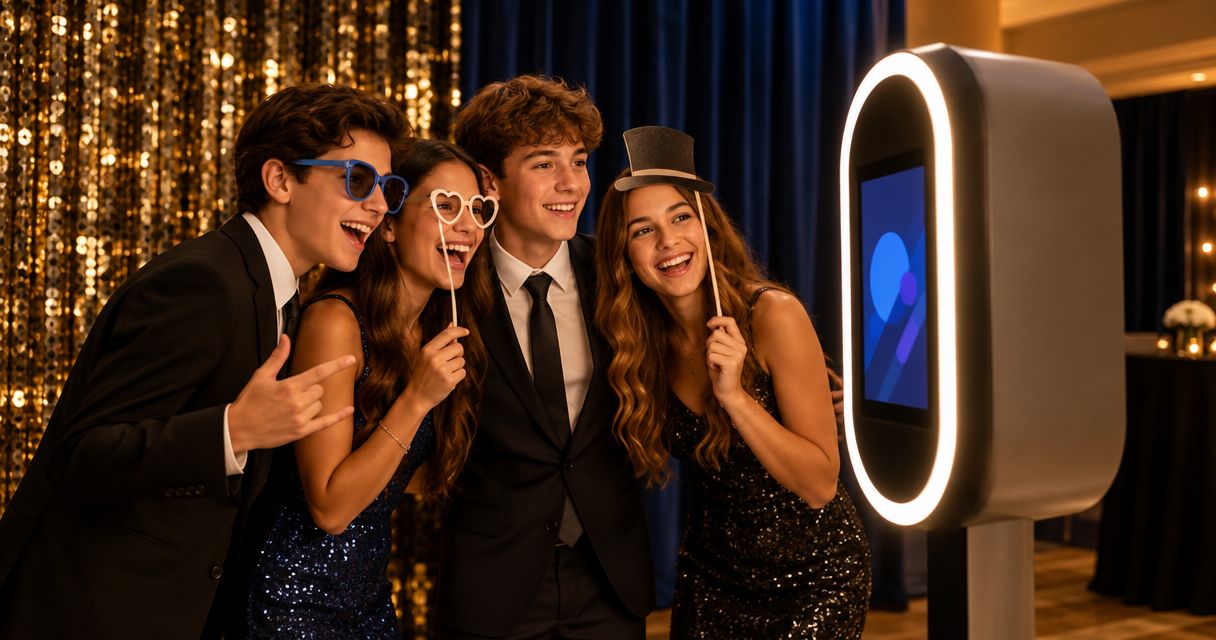
A photo booth serves a different purpose from the bar: it gives guests a planned photo activity. Velvetphotobooth rents a full-length mirror photo booth. The mirror format does not establish print options, sharing features, staffing, props, or other inclusions; ask about each feature that matters to your event.
A single team offering bartending and photo booth rentals gives you one business to approach about both services. That convenience is useful only when each scope fits your event. Request separate descriptions and decide independently whether to book either service.
Place an optional booth where its queue does not merge with the bar or interrupt donor conversations. Ask about space, power, setup access, and operating times. Do not assume a booth rental includes donor data collection or sponsor customization.
Common mistakes nonprofit gala hosts make
Accepting a donation before checking the bar rules
A donated beverage still needs an approved purchasing, handling, and service arrangement. Confirm acceptance with the venue and provider first. Then document who receives it, stores it, and removes anything left over.
Treating committee approval as venue approval
A committee can approve a menu without having permission to use an outside bartender. Keep financial approval and venue authorization separate. Both belong in the event file before you commit to an arrangement.
Leaving the fundraising appeal out of the brief
A bartender cannot plan around a program transition that never appears in the schedule. Tell the provider when the appeal begins and ask what service activity should continue. Have the event lead approve that decision.
Assuming a bar and photo booth share one scope
The services have different equipment, layouts, and operating requirements. Request separate responsibilities and setup details even when discussing both with the same business. Choose each on its own usefulness to the gala.
FAQ
What is mobile bartending for a nonprofit gala?
Mobile bartending for a nonprofit gala is event-based drink service coordinated with the venue, guest needs, and fundraising schedule. Confirm the provider’s exact responsibilities for labor, equipment, beverages, and cleanup in writing.
Can we hire an outside bartender for our gala?
Your venue’s rules determine whether an outside bartender is permitted. Ask about provider approval, alcohol arrangements, required documentation, and service restrictions before requesting a final proposal.
Does a mobile bartender bring alcohol and glassware?
Do not assume alcohol or glassware is included in mobile bartending. Ask the provider to identify who supplies alcohol, ice, mixers, drinkware, equipment, and cleanup materials.
How do we compare nonprofit gala bartending quotes?
Compare quotes against the same venue, attendance, menu outline, service window, and supply checklist. Review inclusions, exclusions, and change terms rather than comparing headline totals alone.
Can our gala use donated alcohol?
Confirm donated alcohol arrangements with the venue, provider, and relevant authority before accepting them for service. Assign responsibility for receiving, storage, handling, and leftovers in the written plan.
Should the bar stay open during the fundraising appeal?
Set the bar’s activity during the fundraising appeal with your event lead, venue, and bartender. Put that decision in the service schedule so it does not become an event-day improvisation.
Can we request bartending and a photo booth together?
You can ask Velvetphotobooth about custom cocktail bartending and a full-length mirror photo booth as separate services. Confirm each proposed scope and venue requirement before deciding whether both suit the gala.
One last thing
Approve a change contact, not just a cocktail menu. Before your 2026 gala, tell every supplier who can authorize a schedule adjustment and who cannot. A named decision-maker gives your committee a clear handoff when the event begins.