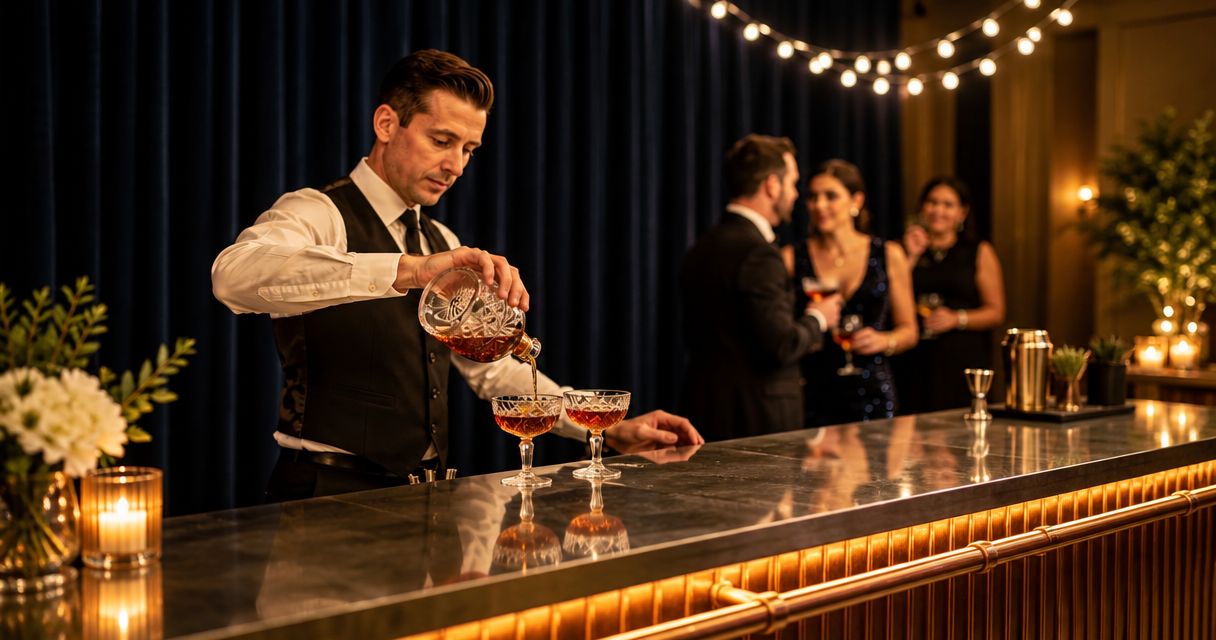
Best overall: a dinner-specific cocktail menu. Best for a seated meal: course-aware service timing. Best for a hands-off host: written setup and cleanup responsibilities. This 2026 guide ranks the bartending features to compare before you request a quote for a private dinner party.
- Best bartending service features private dinner party checklist: prioritize menu fit, dinner timing, and written responsibilities.
- Velvetphotobooth offers custom cocktail bartending for Los Angeles-area weddings and private events; ask which requested features are included.
- Compare nonalcoholic drinks, supply responsibilities, staffing, and room layout before choosing decorative extras.
- Request bartending and photo booth details separately so you can choose either service on its own.
Why this matters
A dinner party needs a bar plan that fits the meal, not just a list of cocktails. Your guests will arrive, sit down, eat, and move between spaces; drink service needs a defined place in that sequence.
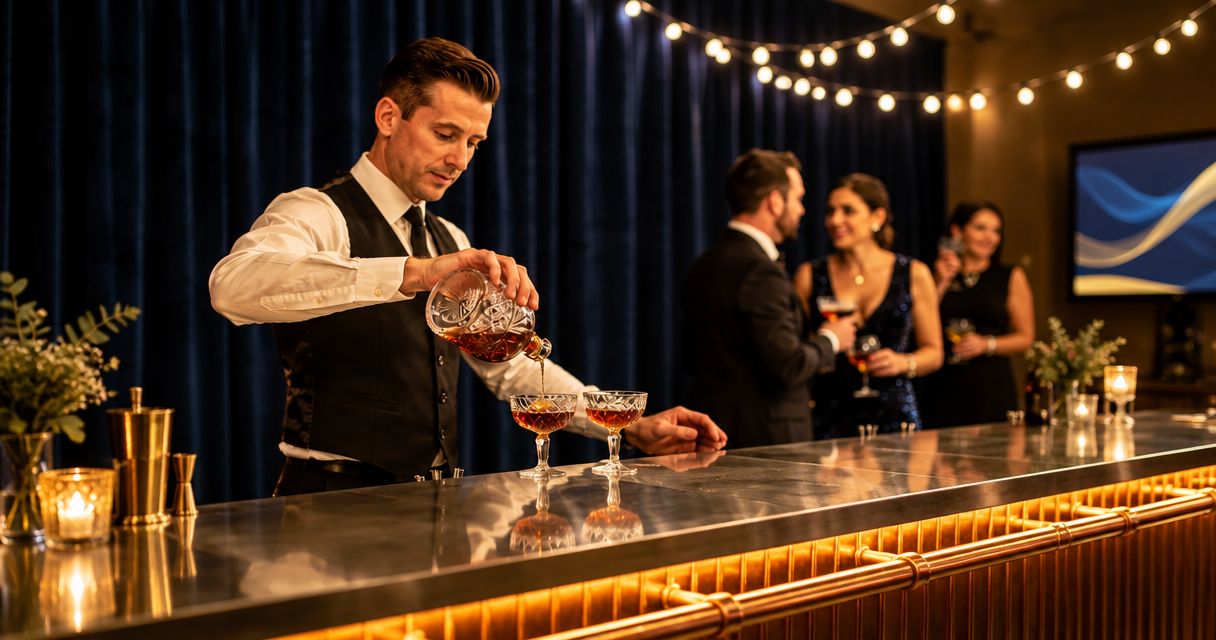
Velvetphotobooth is a fit for Los Angeles-area hosts seeking custom cocktail bartending for a wedding or private celebration. You can request a bartending quote from Velvetphotobooth with your date, location, guest count, and dinner schedule. Ask for written confirmation of every requested inclusion before booking.
For your 2026 celebration in Los Angeles, Pasadena, or Long Beach, compare the proposed service against your actual evening. A polished presentation cannot answer who supplies ice or what happens when guests sit down.
What makes the best private dinner party bartending service?
Use these criteria before comparing proposals. They separate useful service details from attractive extras.
- Menu fit: Does the proposed drink selection reflect your food, preferences, and guests?
- Dinner timing: Does service account for arrivals, seated courses, and the end of the evening?
- Guest inclusion: Are nonalcoholic preferences and ingredient questions addressed?
- Supply ownership: Is each drink ingredient, tool, and serving item assigned to someone?
- Space fit: Does the proposed setup work with your room, access route, and dining area?
- Written scope: Are staffing, setup, cleanup, and requested additions clearly described?
Treat each criterion as a question for the provider, not an assumed inclusion. Ask the same questions of every proposal so you can compare like with like.
Bartending service features at a glance
The ranking below prioritizes the dinner experience before decorative presentation. Each feature serves a different planning need.
| Rank | Feature | Best for | Standout benefit | Key limitation |
|---|---|---|---|---|
| 1 | Dinner-specific menu | Food-focused hosts | Connects drink choices to the meal | Requires food and preference details |
| 2 | Course-aware timing | Seated dinners | Defines service around dinner transitions | Depends on a usable schedule |
| 3 | Written setup and cleanup scope | Hands-off hosting | Assigns preparation and closing tasks | Covers only the tasks actually agreed |
| 4 | Planned nonalcoholic drinks | Mixed drinking preferences | Gives guests a considered alternative | Requires ingredient and preparation discussion |
| 5 | Supply responsibility checklist | Hosts comparing proposals | Identifies who provides each item | Still requires final quantity confirmation |
| 6 | Space and staffing plan | Homes with limited working space | Connects service to the actual location | Depends on accurate access details |
| 7 | Personal presentation details | Celebration-focused hosts | Connects the bar to the occasion | Does not replace operational planning |
1. Dinner-specific menu: best for food-focused hosts
A dinner-specific menu starts with what you are serving and what your guests enjoy. It gives the bartender a useful brief rather than an open-ended request for something elegant.
For example, you might request 2 cocktail choices for a hypothetical 12-guest dinner, then discuss how those choices fit the meal. Those figures are planning examples, not a recommended service capacity or a package description.
Dinner-specific menu pros:
- Gives you a clear starting point for the cocktail discussion.
- Lets you flag disliked ingredients before the event.
- Connects the drinks to the food and occasion.
Dinner-specific menu cons:
- Requires decisions about food and guest preferences.
- A narrow selection leaves less room for spontaneous requests.
Best for: Hosts who want drinks to feel like part of dinner rather than a separate attraction.
Ask whether menu consultation, ingredient sourcing, and substitutions are included. Custom cocktail bartending does not establish the exact scope of those tasks.
Verdict: Buy — prioritize menu fit before decorative bar extras.
2. Course-aware timing: best for seated dinners
Course-aware timing defines what drink service should look like during arrivals, dinner, and the close of the evening. It also identifies who communicates changes if the meal runs differently from the plan.
For a hypothetical 3-course dinner, discuss service during the starter, main course, and dessert. Ask whether guests collect drinks themselves or whether another arrangement is available; do not assume table service.
Course-aware timing pros:
- Gives the bartender and meal organizer a shared sequence.
- Identifies the transition from mingling to seated dining.
- Establishes when you want drink service to end.
Course-aware timing cons:
- Requires coordination with whoever manages the meal.
- A rigid schedule needs an agreed process for changes.
Best for: Wedding dinners, anniversary meals, and private celebrations built around seated courses.
For your 2026 booking, distinguish arrival access, preparation, guest-facing service, and departure in the written proposal. These are separate parts of the evening, even when they appear together on a quote.
Verdict: Buy — make dinner timing a core requirement for a seated event.
3. Written setup and cleanup scope: best for hands-off hosting
Written responsibilities tell you what the bartender handles before guests arrive and after service ends. Ask about preparation surfaces, equipment placement, clearing, waste, and any areas that remain your responsibility.
Define the finish you expect. Removing bar equipment is a different task from washing glassware or cleaning a kitchen.
Written scope pros:
- Assigns preparation tasks before the event.
- Separates bar cleanup from whole-event cleanup.
- Gives you a concrete basis for comparing proposals.
Written scope cons:
- A written scope protects only the tasks it actually names.
- Requested additions need explicit agreement.
Best for: Hosts who want to spend the evening with guests rather than manage service tasks.
Ask where used glasses should go and who handles leftover ingredients. These details matter just as much for an intimate wedding dinner as for a birthday celebration at home.
Verdict: Buy — require named responsibilities, not a vague promise of full service.
4. Planned nonalcoholic drinks: best for mixed preferences
A planned nonalcoholic selection gives guests a drink choice that has received the same attention as the cocktail menu. Discuss flavor preferences, ingredients, and how those drinks will be prepared.
Do not treat a nonalcoholic option as a promise that every dietary or ingredient requirement can be accommodated. Share specific concerns and ask the provider to explain what is possible.
Planned nonalcoholic drinks pros:
- Includes guests who do not want alcohol.
- Lets you discuss flavor preferences in advance.
- Makes ingredient questions part of the original brief.
Planned nonalcoholic drinks cons:
- Adds ingredients and preparation details to confirm.
- Requires a separate discussion of any handling concerns.
Best for: Hosts whose guest list includes different drinking preferences.
Ask whether the proposed option is a distinct recipe or an adjustment to an alcoholic cocktail. Confirm the ingredients rather than relying on the drink name alone.
Verdict: Buy — request a deliberate nonalcoholic plan, not an unspecified alternative.
5. Supply responsibility checklist: best for comparing proposals
A supply checklist assigns ownership of alcohol, mixers, ice, glassware, garnishes, tools, and any requested bar furniture. Ask which items the provider supplies and which you must arrange.
Use the same checklist for each proposal. The guide to who supplies ice and glassware helps frame that conversation without treating any item as automatically included.
Supply checklist pros:
- Makes differences between proposals visible.
- Identifies shopping or rental tasks you still own.
- Separates ingredient responsibilities from serving equipment.
Supply checklist cons:
- Item ownership alone does not establish quantities.
- Menu or guest-count changes require another review.
Best for: Hosts deciding between proposals with different descriptions of service.
For your 2026 comparison, ask for both the item owner and the person responsible for confirming quantities. Also ask who receives deliveries and where supplies can be stored.
Verdict: Buy — confirm supply ownership before approving the service scope.
6. Space and staffing plan: best for home dinner parties
A space and staffing plan connects the proposed service to your actual room. Share photographs or a simple floor sketch, then ask what working space, access, and staffing the provider recommends.
Show the route from unloading to the bar location. Include doors, steps, dining furniture, and any areas that must remain clear.
Space and staffing plan pros:
- Brings access questions into the booking discussion.
- Distinguishes preparation space from guest space.
- Lets the provider explain the proposed staffing arrangement.
Space and staffing plan cons:
- Depends on an accurate description of the location.
- A furniture or room change requires another check.
Best for: Private homes, compact dining spaces, and indoor-outdoor celebrations.
Ask how menu complexity and service style affect the staffing recommendation. Do not use an unverified guests-per-bartender rule as a substitute for a proposal tailored to your event.
Verdict: Buy — settle the working layout before choosing the bar's appearance.
7. Personal presentation details: best for milestone celebrations
Personal presentation details connect the bar to a birthday, anniversary, engagement dinner, or wedding. Possible requests include a menu display, a preferred glass style, or a drink name tied to the occasion.
Treat each request as an option to discuss. None is an assumed inclusion or a confirmed feature of a provider's service.
Personal presentation pros:
- Gives you a clear way to express the celebration's theme.
- Makes preferred presentation details explicit.
- Helps distinguish essential requests from optional extras.
Personal presentation cons:
- Adds approval and sourcing decisions.
- Cannot resolve missing staffing or supply arrangements.
Best for: Hosts whose operational plan is settled and who want a personal finishing detail.
Keep the menu readable and the serving area practical. A thoughtful detail should support the evening, not obstruct the bartender's workspace.
Verdict: Hold — confirm the essentials before selecting presentation extras.
How the features are ranked
This 2026 ranking puts menu fit and dinner timing first because they define the requested experience. Written responsibilities, guest preferences, supplies, and space follow because they turn that experience into a clear booking brief.
Presentation comes last. This is a planning guide, not a scored comparison of providers or a claim that any company includes every feature.
Turn your shortlist into a quote request
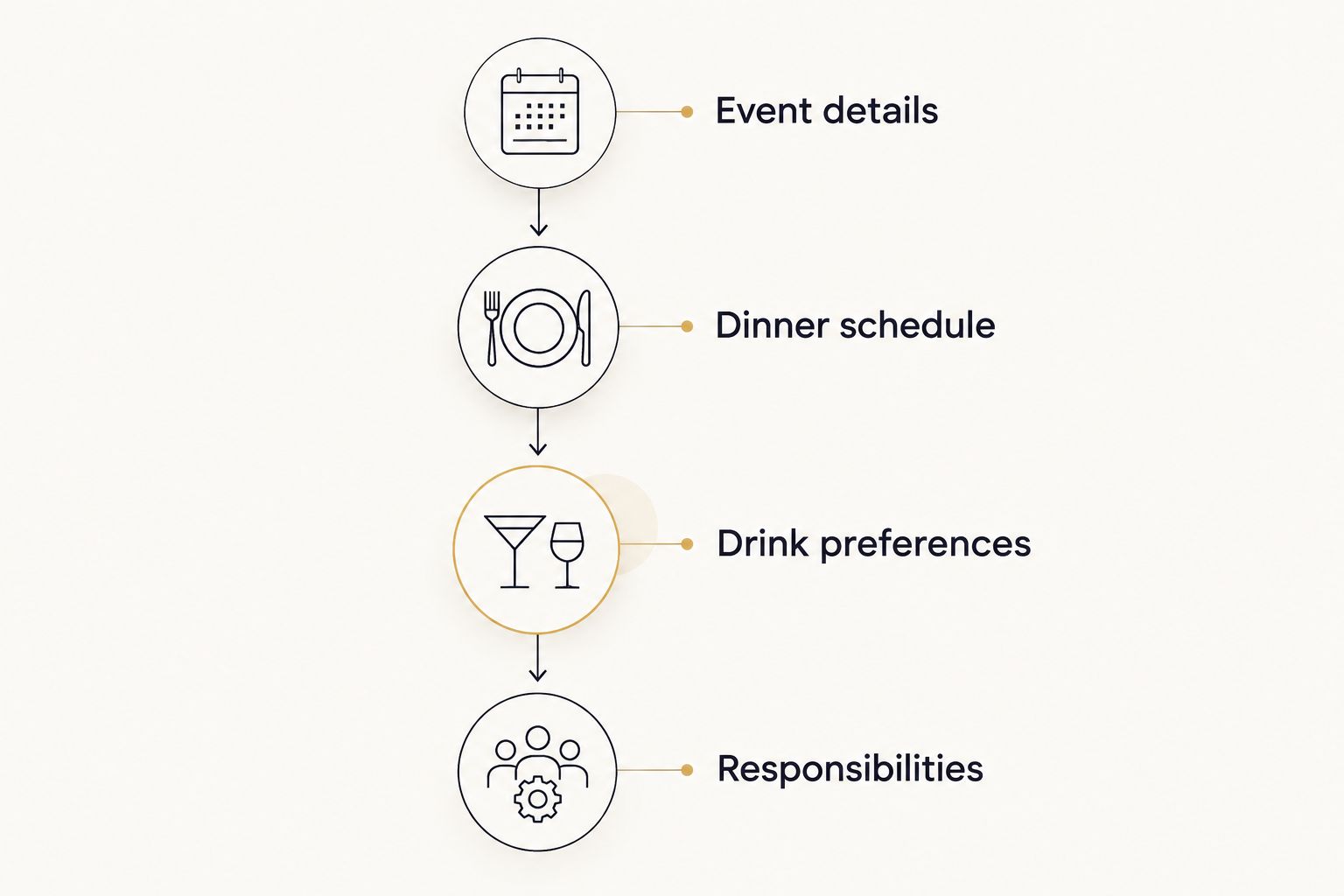
Give Velvetphotobooth a specific bartending brief rather than asking only for a general package. Use these headings to organize your request:
- Event details: Date, location, guest count, occasion, and indoor or outdoor setting.
- Dinner schedule: Arrival period, meal sequence, desired service end, and access arrangements.
- Drink preferences: Cocktail ideas, nonalcoholic requests, ingredient concerns, and food menu.
- Responsibilities: Items you will supply, tasks you want handled, and questions requiring confirmation.
These headings work for couples planning a wedding dinner and hosts arranging a private celebration. Send what is settled, identify what remains open, and ask the provider which decisions are needed for a useful proposal.
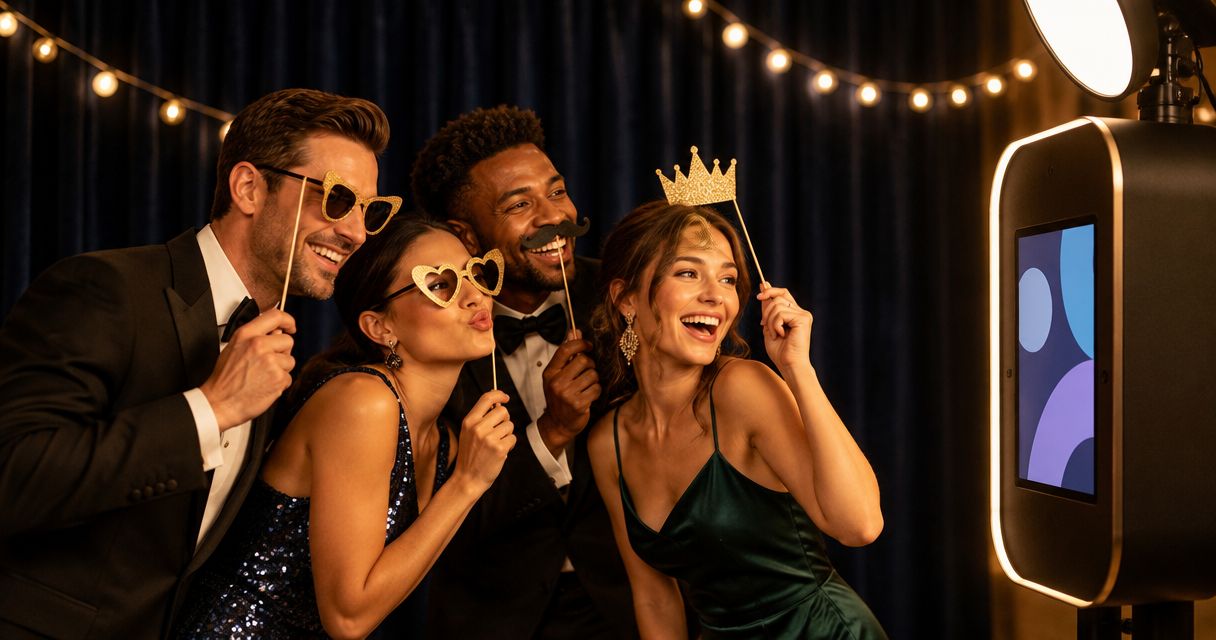
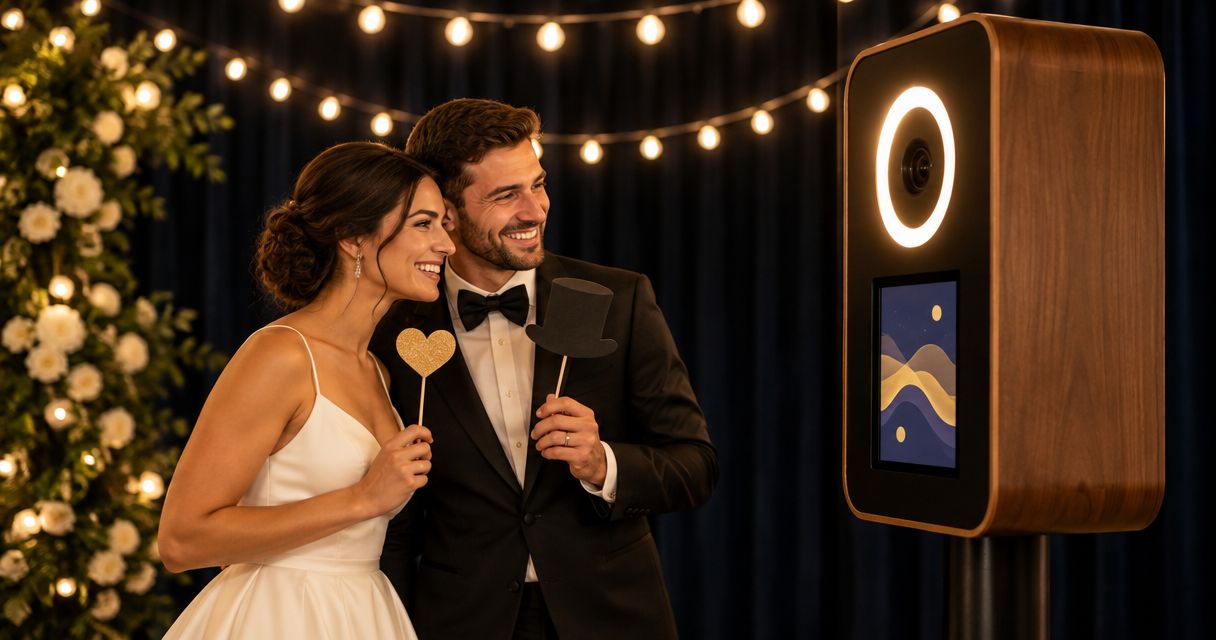
If you are also considering photography entertainment, keep that request separate. Velvetphotobooth rents a full-length mirror photo booth; ask about its layout, access requirements, rental scope, and any optional inclusions independently from bartending. Getting both services from one team gives you one place to discuss the plans, but confirm how coordination would work.
Request your dinner party quote
Share your date, location, guest count, dinner schedule, and preferred drinks.
Which bartending features should you choose?
Choose a dinner-specific menu, course-aware timing, and written responsibilities as your default shortlist. Then confirm nonalcoholic drinks, supplies, and the working layout before adding personal presentation details.
For a 2026 dinner party, choose the proposal that clearly describes your requested evening. Ask for unresolved details in writing before you commit.
FAQ
What's the most useful bartending feature for a private dinner party?
A dinner-specific menu is the strongest starting point because it connects the drinks to your food and guest preferences. Pair it with a clear dinner schedule and written service responsibilities.
What should I send when requesting a private bartender quote?
Send your event date, location, guest count, dinner schedule, and drink preferences. Include access details, nonalcoholic requests, and the supplies or tasks you want the provider to handle.
Does private bartending automatically include alcohol and glassware?
Do not assume alcohol or glassware is included. Ask the provider to identify who supplies alcohol, mixers, ice, glassware, tools, and any requested bar furniture in the written proposal.
Can I request nonalcoholic cocktails for my dinner party?
Yes, include nonalcoholic cocktails in your service request. Ask the provider to confirm recipes, ingredients, preparation arrangements, and whether the requested options are included.
How many bartenders should I request for a seated dinner?
Ask the provider to recommend staffing based on your guest count, menu, service style, and layout. Request an explanation of the arrangement rather than applying an unsupported guest-to-bartender ratio.
Can I book bartending without a photo booth?
Request a bartending-only proposal and ask the provider to confirm the booking terms. Keep any photo booth request separate so you can assess each service on its own.
What type of photo booth does Velvetphotobooth rent?
Velvetphotobooth rents a full-length mirror photo booth. Ask separately about space, access, rental scope, and optional inclusions; the mirror format alone does not establish additional functions or package contents.
One last thing
Ask who gives the bartender the signal that dinner is ready. Name that person in the plan so the transition from welcome drinks to the table has a clear point of contact—and you do not have to interrupt hosting to find one.