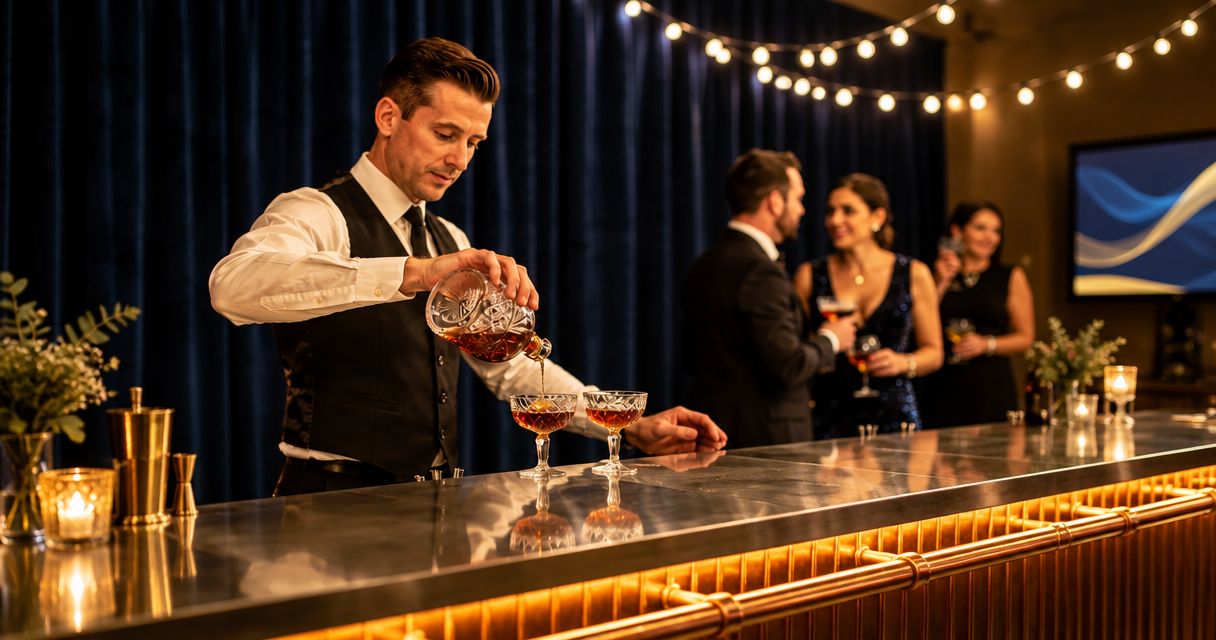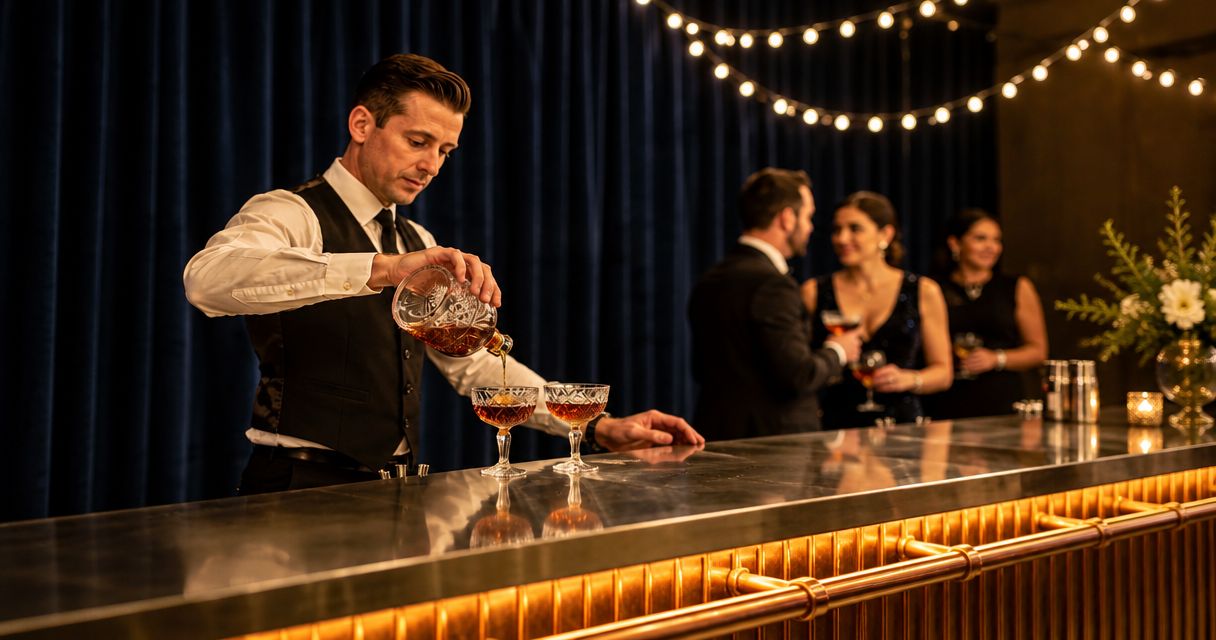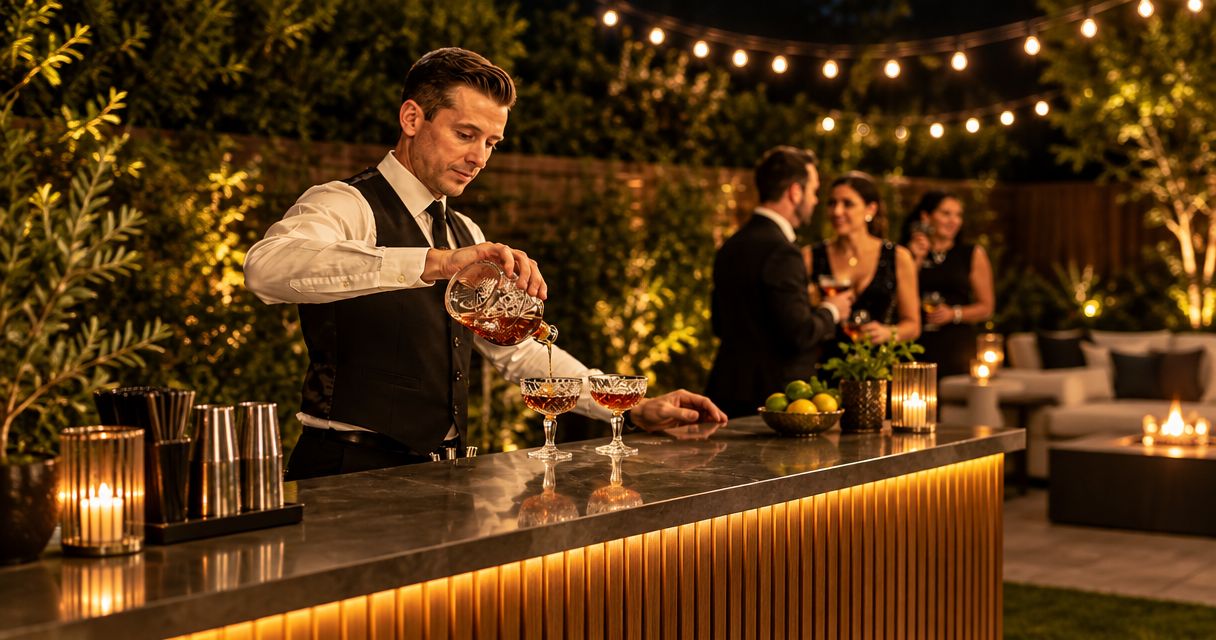
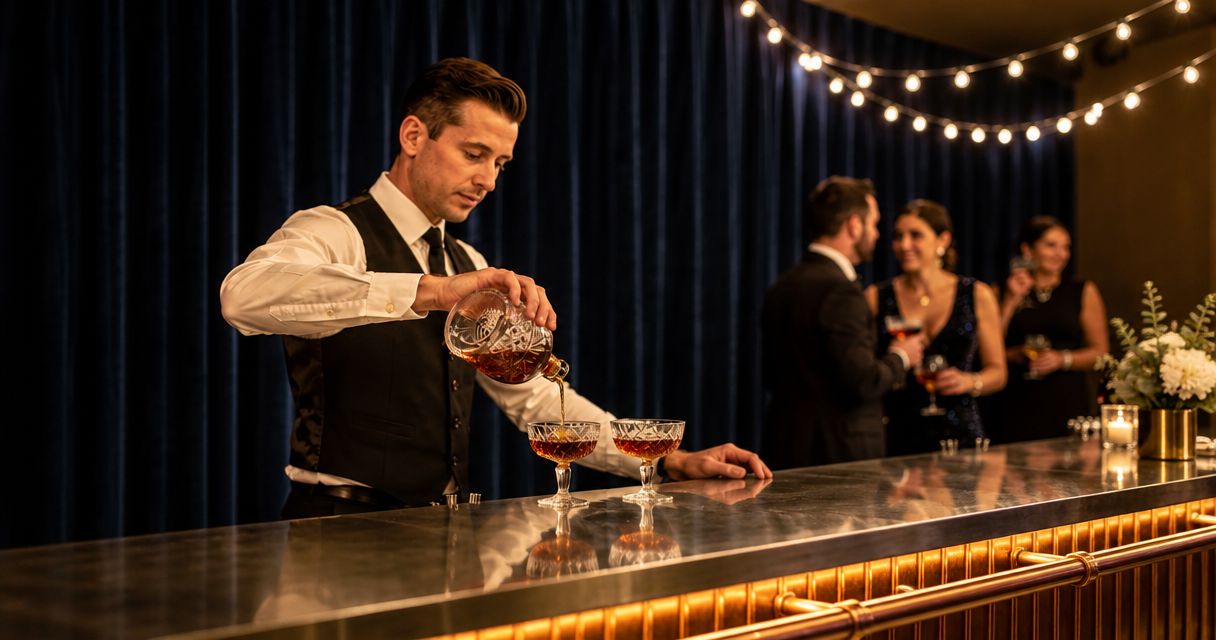
Best overall: citrus sours. Best for sparkling refreshment: spritzes. Best for a short ingredient list: highballs. For a 2026 wedding bar, choose signature cocktail styles around flavor, service requirements, and an alcohol-free option—not just drinks that photograph well.
- Best signature cocktail styles wedding bar picks: citrus sours for balance, spritzes for sparkle, highballs for simple recipes.
- Velvetphotobooth provides custom cocktail bartending for Los Angeles weddings and private events; request a quote around your preferred styles.
- Spirit-forward cocktails suit deliberate sipping; botanical cocktails suit hosts who want distinctive herbs or floral flavors.
- Give alcohol-free cocktails the same attention as alcoholic signatures, including flavor, presentation, and menu descriptions.
Why this matters
A signature cocktail needs to work twice: when guests read the menu and when the bartender prepares it. An appealing name cannot fix an unclear flavor description or a recipe that does not suit the service setup.
Velvetphotobooth provides custom cocktail bartending for weddings and private events in the Los Angeles area. Velvetphotobooth suits Los Angeles hosts seeking custom cocktail bartending for a wedding or private celebration. Build your inquiry around your event details and preferred flavors rather than an assumed package.
For your 2026 celebration, start with 2 alcoholic cocktail styles and 1 alcohol-free style: 3 menu entries to discuss, not a required menu size. Give each entry a different role. A citrus drink and an alcohol-free citrus drink can share a flavor direction, but guests should immediately understand the difference.
What makes the best wedding signature cocktail styles
Use these criteria before choosing a recipe:
- Flavor clarity: Guests should understand whether a drink is tart, sweet, bitter, herbal, or spirit-forward.
- Distinct choices: Each signature should offer a reason to choose it over the others.
- Service fit: Ask which preparation steps happen before the event and which happen when guests order.
- Ingredient practicality: Confirm the plan for citrus, mixers, ice, garnishes, and any specialty ingredients.
- Alcohol-free quality: Include a considered drink with its own flavor balance, not simply an alcoholic recipe with the spirit removed.
- Venue fit: Confirm the venue's requirements before settling the menu or approving the service plan.
Wedding cocktail styles at a glance
These styles describe flavor and preparation approaches, not fixed recipes. A botanical cocktail can also be a sour or a highball; choose the distinction that helps guests understand your menu.
| Rank and style | Best for | Standout characteristic | Key limitation |
|---|---|---|---|
| 1. Citrus sours | A familiar, balanced default | Citrus acidity balanced with sweetness | Fresh citrus preparation needs a clear plan |
| 2. Spritzes | Guests who want sparkling refreshment | Bubbles with bitter, fruity, or floral notes | Carbonation needs attention during service |
| 3. Highballs | A short, easy-to-explain recipe | A spirit lengthened with a mixer over ice | Ice and mixer balance shape the result |
| 4. Spirit-forward cocktails | Guests who enjoy tasting the base spirit | Concentrated flavor without a long mixer | Less suitable for guests seeking a light-tasting drink |
| 5. Botanical cocktails | A distinctive herb or floral theme | Aromatic ingredients create a recognizable character | Strong herbs and florals can divide preferences |
| 6. Alcohol-free composed cocktails | Guests avoiding alcohol | A deliberate balance of acidity, sweetness, and aroma | Removing alcohol alone does not create a balanced recipe |
1. Citrus sours: best wedding cocktails for a balanced default
Citrus sours combine a spirit, citrus juice, and a sweetening ingredient. Margarita-style and daiquiri-style drinks are familiar examples, though the final recipe should reflect your preferences rather than a name alone.
This is the default recommendation when you want a signature with an easily described flavor. Tell your bartender whether you prefer crisp and tart or softer and sweeter. That direction is more useful than asking for something everyone will love.
Citrus sour pros:
- A clear starting point for discussing sweetness and acidity.
- Adaptable to different base spirits.
- Easy to describe through recognizable flavor terms.
Citrus sour cons:
- Citrus preparation and storage need planning.
- A sweeter variation can disappoint guests expecting a tart drink.
Best for: Couples or private-party hosts who want an approachable starting point.
Verdict: Buy into citrus sours as your default, then confirm the recipe balance.
2. Spritzes: best wedding cocktails for sparkling refreshment
Spritz-style cocktails combine a sparkling component with bitter, fruity, or floral flavors. Some include sparkling wine; others use soda or another carbonated mixer. Confirm the actual ingredients rather than assuming every spritz follows the same formula.
Choose this style when bubbles are part of the appeal. A spritz gives guests a different drinking experience from a concentrated, spirit-forward cocktail, but the name alone does not establish its alcohol strength.
Spritz pros:
- A clear sparkling alternative to still cocktails.
- Room for bitter, fruit-led, or floral flavor directions.
- A useful contrast beside a citrus sour.
Spritz cons:
- Carbonation requires a service plan.
- Bitter ingredients are not every guest's preference.
Best for: Hosts who want a sparkling signature with a clearly described flavor.
Verdict: Buy into spritzes when bubbles matter; specify bitterness before approving the menu.
3. Highballs: best wedding cocktails for a short recipe
A highball pairs a spirit with a larger proportion of mixer, typically served over ice. Whiskey and soda or gin and tonic illustrate the format. A custom version can remain straightforward without becoming an elaborate garnish project.
Choose a highball when you want guests to understand the drink immediately. Keep the recipe focused, then ask how the bartender will manage ice, dilution, mixer supply, and finishing touches.
Highball pros:
- A short ingredient list is easy to communicate.
- The base spirit and mixer give guests familiar reference points.
- A restrained garnish keeps the flavor description clear.
Highball cons:
- Dilution changes the drink as the ice melts.
- A plain combination can feel less distinctive without thoughtful flavor selection.
Best for: Hosts who prefer a recognizable drink over a complicated recipe.
Verdict: Buy into highballs for clarity; do not assume a short recipe settles staffing needs.
4. Spirit-forward cocktails: best wedding cocktails for deliberate sipping
Spirit-forward cocktails place the base spirit at the center of the flavor. Old Fashioned-style and Manhattan-style drinks illustrate this approach. They suit guests who enjoy the character of the spirit rather than a long, refreshing mixer.
Make this an intentional choice, not the automatic definition of an elegant bar. A polished menu can include a spirit-forward signature, but it should also give guests a contrasting option.
Spirit-forward cocktail pros:
- A distinct choice for guests who enjoy the base spirit.
- A strong contrast with sparkling or citrus-led drinks.
- A clear flavor direction when the menu names the ingredients.
Spirit-forward cocktail cons:
- The spirit's flavor is prominent rather than softened by a long mixer.
- Guests seeking a light-tasting drink need another choice.
Best for: Celebrations where the hosts specifically enjoy spirit-led cocktails.
Verdict: Hold unless this style reflects your taste; do not choose it for appearance alone.
5. Botanical cocktails: best wedding cocktails for an aromatic theme
Botanical cocktails use herbs, floral ingredients, or other aromatic elements to establish their character. Think of this as a flavor direction rather than a separate preparation method. The finished drink might also be a sour, spritz, or highball.
Choose a recognizable lead flavor. Ask the bartender to explain how that ingredient tastes in the drink, not just how the garnish looks. A garden-inspired name needs a useful menu description beside it.
Botanical cocktail pros:
- A distinctive aromatic direction for a custom signature.
- Flexibility across sparkling and still preparations.
- An opportunity to connect the drink with flavors you genuinely enjoy.
Botanical cocktail cons:
- Pronounced floral or herbal flavors can divide guests.
- Extra garnish preparation adds steps to discuss.
Best for: Hosts with a specific herb or floral preference.
Verdict: Hold until the lead flavor is clear; skip elaborate decoration without a flavor purpose.
6. Alcohol-free cocktails: best wedding drinks for inclusive choice
Alcohol-free composed cocktails deserve their own recipe decisions. Acidity, sweetness, bitterness, aroma, and texture can all contribute to the finished drink. Simply removing a spirit changes the balance and does not guarantee a satisfying replacement.
For your 2026 wedding menu, describe an alcohol-free signature as clearly as the alcoholic choices. Guests should not have to ask whether a beautifully named drink contains alcohol.
Alcohol-free cocktail pros:
- A considered option for guests avoiding alcohol.
- Room for complex flavors without copying a spirit-led recipe.
- A separate choice that can share the celebration's presentation style.
Alcohol-free cocktail cons:
- Specialty alternatives need ingredient checks.
- Alcohol-free service still requires preparation, ingredients, and a clear ordering process.
Best for: Any wedding or private party serving guests who avoid alcohol.
Verdict: Buy into a dedicated alcohol-free recipe, not an afterthought.
How the styles are ranked
Citrus sours lead this 2026 shortlist because they offer a clear starting point for discussing balance. Spritzes and highballs follow as distinct sparkling and short-recipe choices. Spirit-forward and botanical drinks fit more specific preferences; alcohol-free cocktails belong on the menu regardless of their position here.
The order reflects the criteria above: flavor clarity, distinct choices, preparation, ingredients, alcohol-free quality, and venue fit. No cocktail style replaces a discussion about the actual recipe and event setup.
Turn your shortlist into a useful quote request
Send Velvetphotobooth a practical event brief rather than a list of cocktail names. For a 2026 quote request, include your Los Angeles, Pasadena, or Long Beach venue location and ask the team to confirm service for that address.
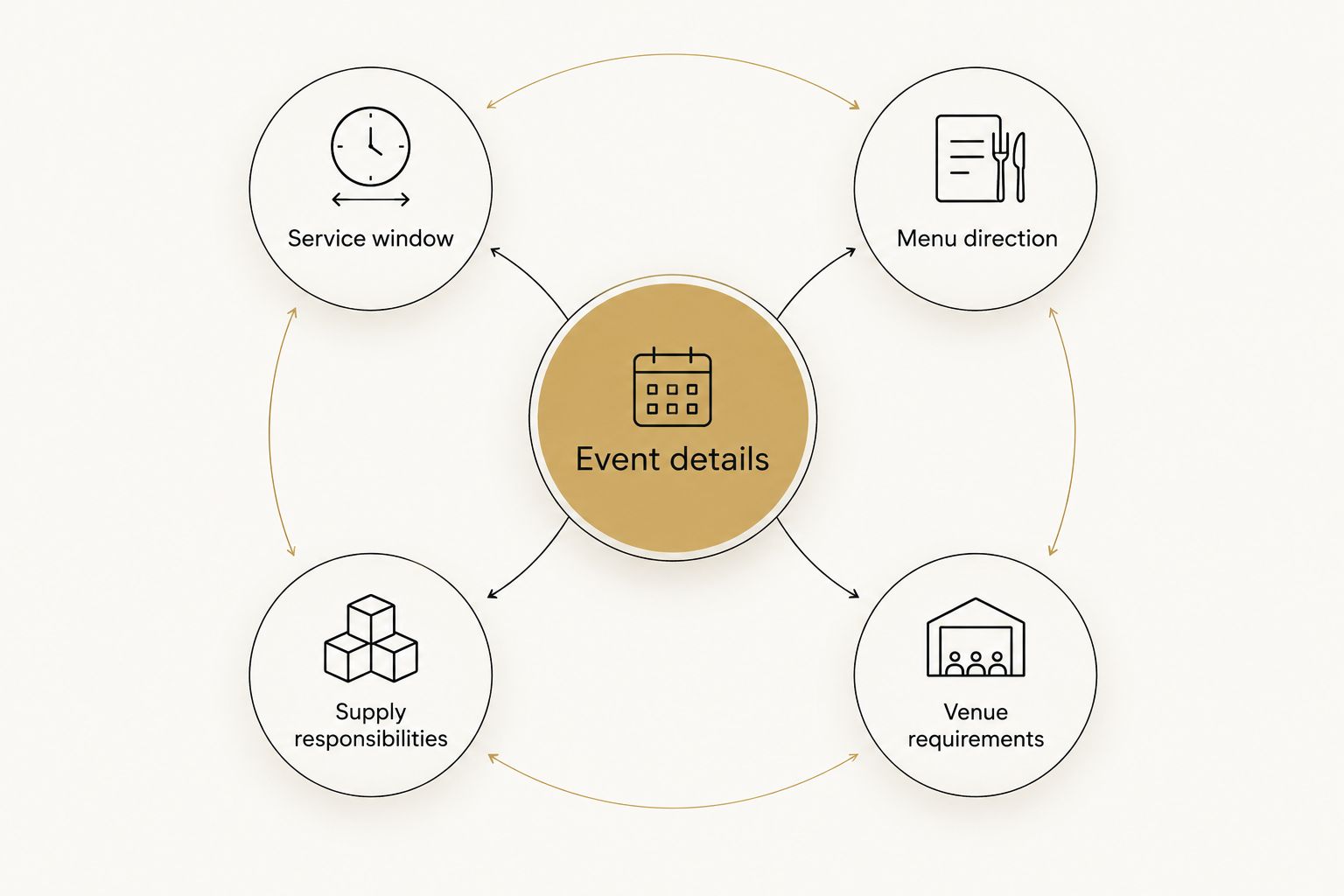
Organize the inquiry under these headings:
- Event details: Date, venue address, wedding or private-party format, and expected guest count.
- Service window: When you want drinks served and how that relates to the event schedule.
- Menu direction: Preferred styles, base spirits, sweetness preferences, and alcohol-free requests.
- Supply responsibilities: Ask who provides alcohol, mixers, ice, glassware, garnishes, equipment, and cleanup.
- Venue requirements: Share access instructions and ask what approvals or documentation need confirmation.
A matching brief makes proposals easier to compare. Separate confirmed inclusions from optional requests, and ask for the final scope in writing.
Before you commit, identify any unresolved responsibilities. A recipe discussion and a service agreement answer different questions; you need both to understand what you are booking.
Request your event quote
Share your date, venue, guest count, and cocktail preferences. Ask for a clearly itemized service scope.
Keep photo booth planning separate from the bar menu
Velvetphotobooth also rents a full-length mirror photo booth for weddings and private events. Treat it as its own booking decision, with a separate placement plan and a clear list of requested inclusions.
For the booth, ask about space requirements, access, power, operating arrangements, and what the quoted rental includes. Do not infer printing, props, staffing, or interactive functions from the mirror format. For bartending, keep the focus on recipes, supplies, service arrangements, and venue requirements.
Requesting both services from one team gives you one place to discuss their relationship to the event schedule. It does not mean you must book both. Ask for each service to be identified separately so you can choose what fits your celebration.
Avoid placing the booth queue and bar queue in the same circulation space. Discuss the layout with the venue before approving either location; an attractive corner is not useful if it blocks guests moving through the room.
Which wedding cocktail styles should you choose?
Choose a citrus sour as the default, then add a genuinely different option. Select a spritz for bubbles, a highball for a short recipe, or a spirit-forward drink because you enjoy that flavor—not because it sounds more formal.
For a 2026 private party, apply the same rule. Let the host's taste guide the signature, keep menu descriptions clear, and give the alcohol-free choice equal care. A focused menu with understood responsibilities is a better booking brief than a long list of fashionable drink names.
FAQ
What's the best signature cocktail style for a wedding bar?
A citrus sour is the best default on this shortlist because it provides a clear starting point for balancing tartness and sweetness. Choose the base spirit and final recipe around your preferences, then add a contrasting option.
Is a spritz better than a margarita-style cocktail for a wedding?
A spritz is better when you want sparkling refreshment; a margarita-style cocktail is better when you want a citrus-led sour. Compare the actual ingredients, bitterness, and sweetness rather than choosing by name alone.
How many signature cocktails should I discuss with a bartender?
Start by discussing 2 alcoholic styles and 1 alcohol-free style. This is a planning recommendation, not a required menu size; adjust it to your guest preferences and service arrangements.
Can I have a signature wedding cocktail without alcohol?
Yes, an alcohol-free cocktail can be a signature drink in its own right. Ask for a balanced recipe and a menu description that clearly identifies it as alcohol-free.
What affects a custom wedding bartending quote?
The event date, location, guest count, service window, menu, and supply responsibilities are relevant details to provide. Ask the provider to identify the confirmed scope and any optional requests separately.
Does a simple highball mean I need fewer bartenders?
A short recipe alone does not establish staffing needs. Share the guest count, ordering setup, service window, and full menu so the provider can explain the proposed staffing.
Can I request bartending and a photo booth separately?
Yes, request separate scopes for custom cocktail bartending and a full-length mirror photo booth. Confirm each service's arrangements and inclusions rather than assuming a combined package.
One last thing
Read your proposed menu without its cocktail names. If the descriptions still help you choose between tart citrus, sparkling bitterness, aromatic herbs, and spirit-led flavor, the menu is doing its job.
Before booking, ask one final question: Who is responsible for every ingredient and piece of equipment needed to serve these drinks? Resolve that answer in the written scope, not on the wedding day.